Payroll errors are found by the person affected, which is too late
Payroll is prepared monthly and then checked by the same person who prepared it. That is the weakest form of review, because errors are found only when an employee notices them. By then the payment has already been made.
Month-on-month changes usually have a cause: a joiner, a leaver, a promotion, a bonus cycle, or a tax-code update. If none of these apply, the change deserves a question.
Underpayment is the more serious case. An overpayment leads to an unpleasant recovery conversation. An underpayment damages the employment relationship and is harder to fix.
Payroll is also the most sensitive data in the company, which is why the whole system is built this way. The output is a set of questions to one person, not a report sent to a channel.
How the agent is built in Agent Studio
The system prompt defines expected variation: which changes are normal at each point in the year, how large a change should raise a question, and that underpayment is treated the same as overpayment.
Prompt skills hold the pay cycle, the bonus and review calendar, and contract types, so a seasonal pattern is not treated as an anomaly each year.
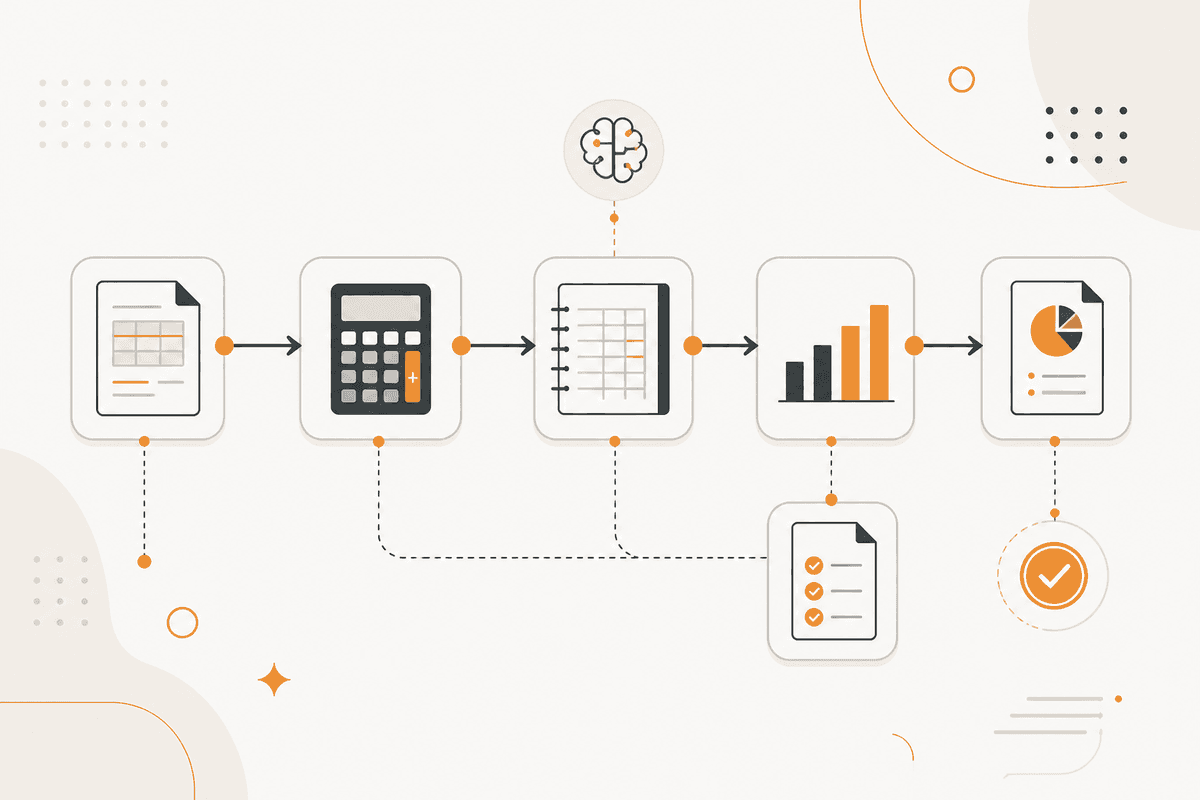
The agent sees a comparison, not the raw payroll. A PostgreSQL node reads the current run and the previous run. A Math node computes per-person differences. An HTTP Request node pulls joiner, leaver, and change events for that period.
Agent Chat receives rows already matched to events. The agent returns only the cases it cannot explain, with the size of the change and what it looked for.
Access is intentionally narrow. The agent can run only the payroll comparison. Findings go to one named person through a direct channel, never to a shared channel.
The agent does not correct payroll automatically. Any payroll change is a legally significant decision and stays with the person who owns it.
What this agent is built from
- System prompt: defines normal variation by point in the year, and weights underpayment equally with overpayment.
- Prompt skills: hold pay cycle, bonus and review calendar, and contract types.
- PostgreSQL (Data): supplies current and prior runs. Math computes per-person differences.
- HTTP Request (Util): pulls joiner, leaver, and change events to explain differences before the agent sees them.
- Tool scope: is narrowed to the payroll comparison only, with no broader access attached.
- Direct delivery: findings go to one named person, never to a shared channel.
- When an ActionFlow is enough: If a percentage-change threshold report is enough, that is a workflow that, for a small team, catches most of what matters.
Frequently asked questions
Start building AI workflows
Create a free account, open a template or a blank canvas, and run your first ActionFlow.
Newsletter
Get product updates
New nodes, agents, and product notes. We send mail only when we have something worth opening.