Silence after a proposal means something different from silence after a demo
Inactivity alerts are based on a daily count. In early discovery, 10 consecutive quiet days are normal. After the price is sent, 10 consecutive quiet days are a serious sign. A single threshold cannot cover both, so the result is alerts nobody believes, and everyone turns them off.
You need the stage, the amount, and the history with that customer to interpret silence. A customer who has regularly stayed silent for two weeks before signing is different from one who has never done so. No rule can explain that.
The second judgment is volume. If an alert system fires 12 times a day, people ignore it. To keep three real alerts, you have to accept that the other nine are acceptable, and that is the harder judgment.
Every alert must include a suggested action, because an alert that only reports a condition does not change the work.
How the agent is built in Agent Studio
Stage expectations are the important part. The system prompt defines what normal silence looks like at each stage of your pipeline. Your team already knows this and has never written it down.
Prompt skills carry the intervention playbook. They set out what a salesperson should do when a deal goes quiet at each stage, so the recommended action is specific to you rather than generic.
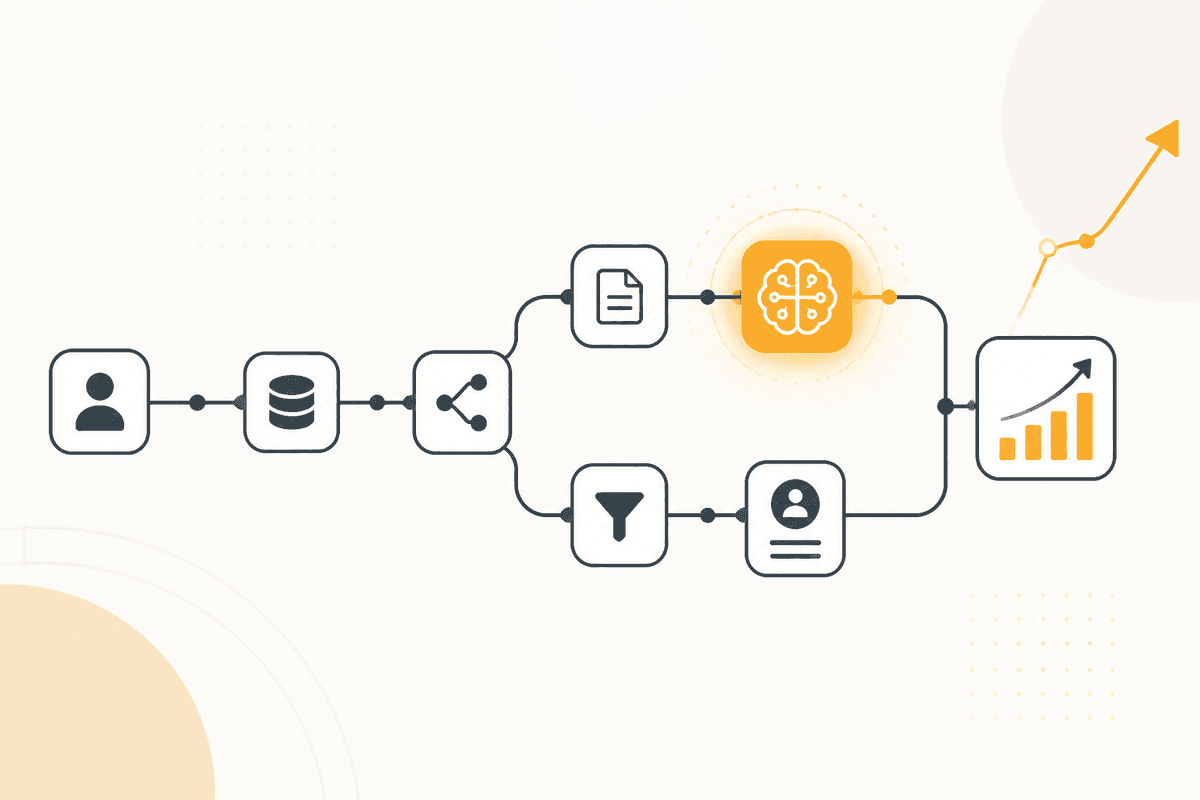
A Start Scheduled flow runs the sweep. A Salesforce or HubSpot node retrieves open deals and their activity. A Loop node then processes those deals, and the Agent Chat node requests an assessment for each one.
Only deals the agent judges as genuinely at risk go to a Slack node, with the reasons and the recommended action. All other deals are recorded, and no notification is sent.
Limit the number of alerts per user per day, or a calm week in the pipeline becomes a busy week in the channel.
Google Sheets records each alert and whether the deal closed afterward. That comparison is the only accurate way to tell whether the agent is interpreting silence correctly.
What this agent is built from
- System prompt: what normal silence looks like at each stage of your specific pipeline.
- Prompt skills: your intervention playbook, so the suggested action is not generic advice.
- Salesforce (Integration): supplies open deals and activity. HubSpot fits the same slot.
- Loop (Control) plus Agent Chat (Util): one assessment per open deal on a schedule.
- Slack (Communication): receives only the deals judged genuinely at risk, with an action attached.
- Google Sheets (Integration): records alerts against eventual outcomes so accuracy is measurable.
- When an ActionFlow is enough: If a stale-deal report by day count is all you need, build the workflow. Pay the agent when your stages genuinely carry different expectations.
Frequently asked questions
Start building AI workflows
Create a free account, open a template or a blank canvas, and run your first ActionFlow.
Newsletter
Get product updates
New nodes, agents, and product notes. We send mail only when we have something worth opening.