The stated loss reason is rarely the actual one
Loss-reason fields store a single word such as 'price', 'timing', or 'competitor'. When you total those entries, you get a chart that is accurate and still not useful, because 'price' covers both a prospect who could not afford it and one who did not believe the value.
The real reason is usually in the call notes, described in a completely different way. You can find it only by reading dozens of deals while keeping them all in mind, which is why win-loss analysis is set up and then abandoned.
Comparability comes first. Deals from different segments, price levels, and quarters are not a single dataset. Combining them produces patterns that are artifacts of the merge.
Sample size is what stops the whole exercise from turning into creative writing. Even if the story is satisfying, three deals never form a pattern.
How the agent is built in Agent Studio
Put comparability rules in the system prompt: what makes two deals comparable in your business, and the minimum number of deals required before anything is called a pattern.
Prompt skills include your segment definitions and the loss categories that you actually use, so the agent groups by your taxonomy rather than creating its own.
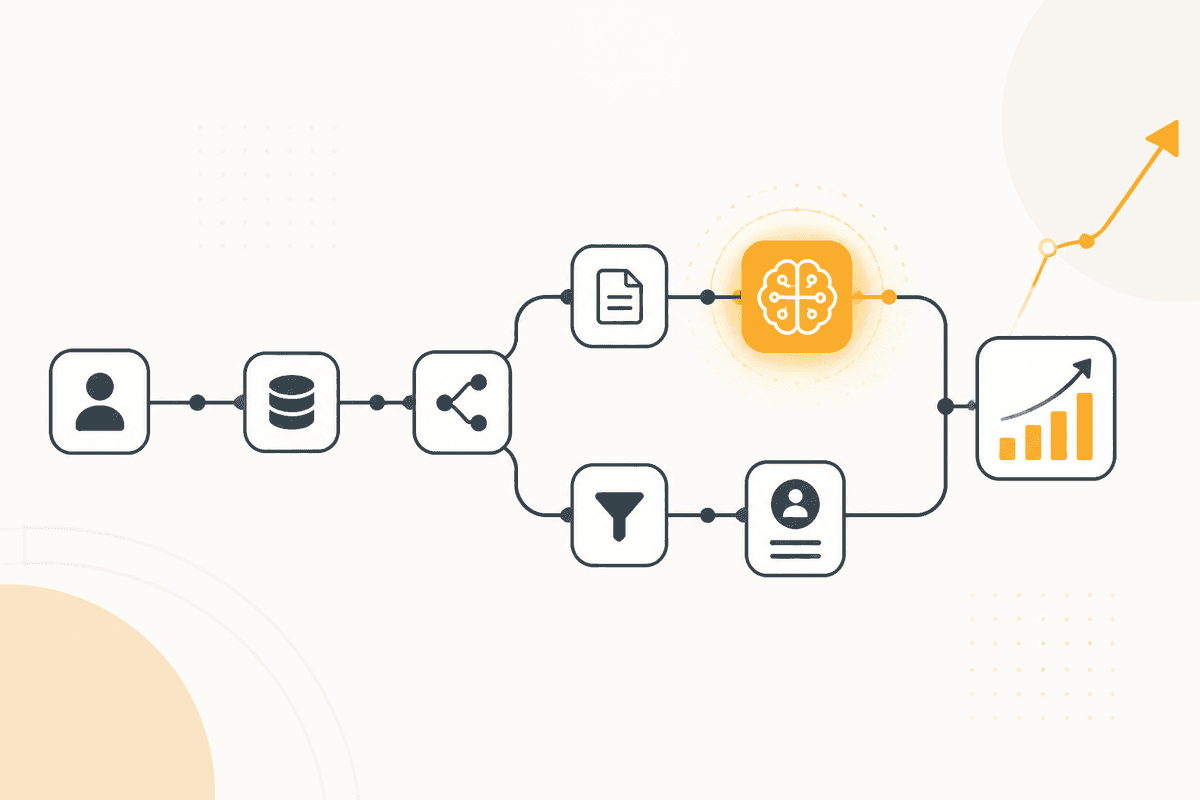
A Start Scheduled flow runs the reviews at regular intervals. Salesforce or HubSpot supplies the closed deals. An HTTP Request node retrieves the linked notes, and the Agent Chat node then passes the set on.
The agent groups the deals, which no report builder does, then shows the patterns with the specific deals cited in each case. Citing those deals makes a finding verifiable rather than only plausible.
Findings go to Notion, and the Slack node publishes the headline in the sales channel.
Because sessions last, a sales lead can discuss a finding across several messages, for example 'those two were the same customer', and the agent can amend the analysis without restarting.
Do not run this with fewer than a couple of dozen closed deals. Put that minimum in the system prompt so it is not missed.
What this agent is built from
- System prompt: comparability rules and the minimum sample before anything is called a pattern.
- Prompt skills: your segment definitions and your actual loss categories.
- Salesforce (Integration): supplies closed deals. HubSpot fits the same slot.
- HTTP Request (Util): pulls the linked call notes where the real reasons live.
- Agent Chat (Util): a scheduled flow hands over the closed set for grouping and analysis.
- Notion (Integration): receives findings with specific deals cited for each pattern.
- When an ActionFlow is enough: If counting loss reasons by field value is enough, that is a workflow, and a fine starting point. The agent is for when that count no longer gives you any information.
Frequently asked questions
Start building AI workflows
Create a free account, open a template or a blank canvas, and run your first ActionFlow.
Get product updates
New nodes, agents, and product notes. We send mail only when we have something worth opening.