The wrong save attempt confirms the decision
When a customer indicates they are leaving, they receive an automated retention offer that shows them how valuable they have always been. Offering a discount at the point of exit is about pricing, not value.
You can tell whether any action is possible by looking at the reasons given for leaving. A customer who has outgrown the product and a customer who hit a bug and never received help need different responses. One of the two should receive an apology rather than a discount.
Some departures should be allowed. A customer who has never been a good fit costs support and makes a poor reference. Trying to save that customer wastes goodwill, because the relationship was never going to work.
Timing matters as much as the terms. Discussing retention during an unresolved incident reads as insensitive, no matter how favorable the conditions are.
How the agent is built in Agent Studio
The system prompt defines the churn signals that are real for your product, because the signal set differs entirely between products. Examples include reduced usage, a negative tone in support, a canceled seat, and a question about data export.
Prompt skills set out the intervention options and their costs, along with a clear statement that no intervention is a valid recommendation, so it needs no special justification.
Suppression rules also belong in the system prompt. No retention outreach should occur during an open incident involving that customer, or while a support escalation remains unresolved.
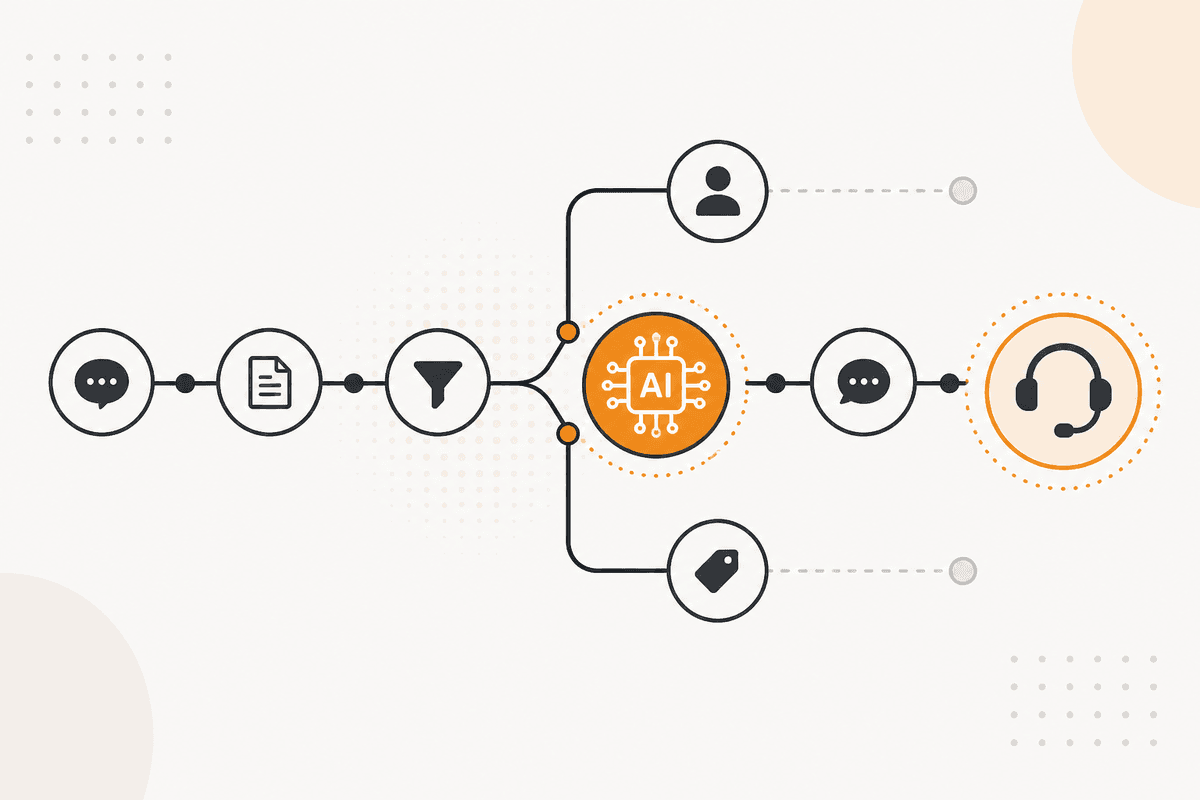
A Start Scheduled flow builds the picture. An HTTP Request node collects usage data. A Salesforce or HubSpot node provides account information. A Jira node supplies open issues. An Agent Chat node then requests a read.
The recommendations go to the account owner through Slack, where both the reason for the recommendation and the suppression check are visible. The agent never contacts the customer and never approves any commercial terms.
Google Sheets logs the recommendations alongside the outcomes, including cases where no action was taken, because a customer who stays without intervention is the data point that prevents over-treatment.
What this agent is built from
- System prompt: the churn signals that are real for your product, not a generic list.
- System prompt: suppression rules for open incidents and unresolved escalations.
- Prompt skills: intervention options with their costs, and no intervention as a valid answer.
- Jira (Integration): supplies open issues, so timing enters the judgment.
- Agent Chat (Util): a scheduled flow that assembles usage, account, and issues, then requests a read.
- Slack (Communication): carries the recommendation to the account owner. The agent never contacts the customer.
- When an ActionFlow is enough: If a usage-threshold alert is enough, build the workflow. The agent decides what to do about it.
Frequently asked questions
Start building AI workflows
Create a free account, open a template or a blank canvas, and run your first ActionFlow.
Newsletter
Get product updates
New nodes, agents, and product notes. We send mail only when we have something worth opening.