A rule-checker flags a joke; a reviewer recognizes one
Automated voice checking always fails in one predictable way. It flags every deviation from the guide, even the intentional ones, so writers start to ignore the whole report. A check that nobody reads is worse than no check, because it gives the impression that coverage happened.
You cannot tell a choice from a slip by looking for patterns. The same kind of register shift can be exactly right in a launch post, and a problem in the terms of service. Neither sentence shows the difference. Context does.
The other judgment is severity. Not all real deviations matter equally, so a report that grades them lets the writer deal with three items rather than thirty.
The agent never edits. When a voice reviewer rewrites, it stops being a checker and becomes another author.
How the agent is built in Agent Studio
The brand guide is a prompt skill, not an attachment, so it appears in every conversation without being resent. When the guide is updated, the skill is updated, configVersion increments, and the next message uses the new version.
The system prompt sets the severity levels. It also explains what deliberate departures look like in your writing: the cases where your house style intentionally breaks its own rules.
Use a model that follows instructions carefully, not the most creative one. This agent's job is discrimination, not generation.
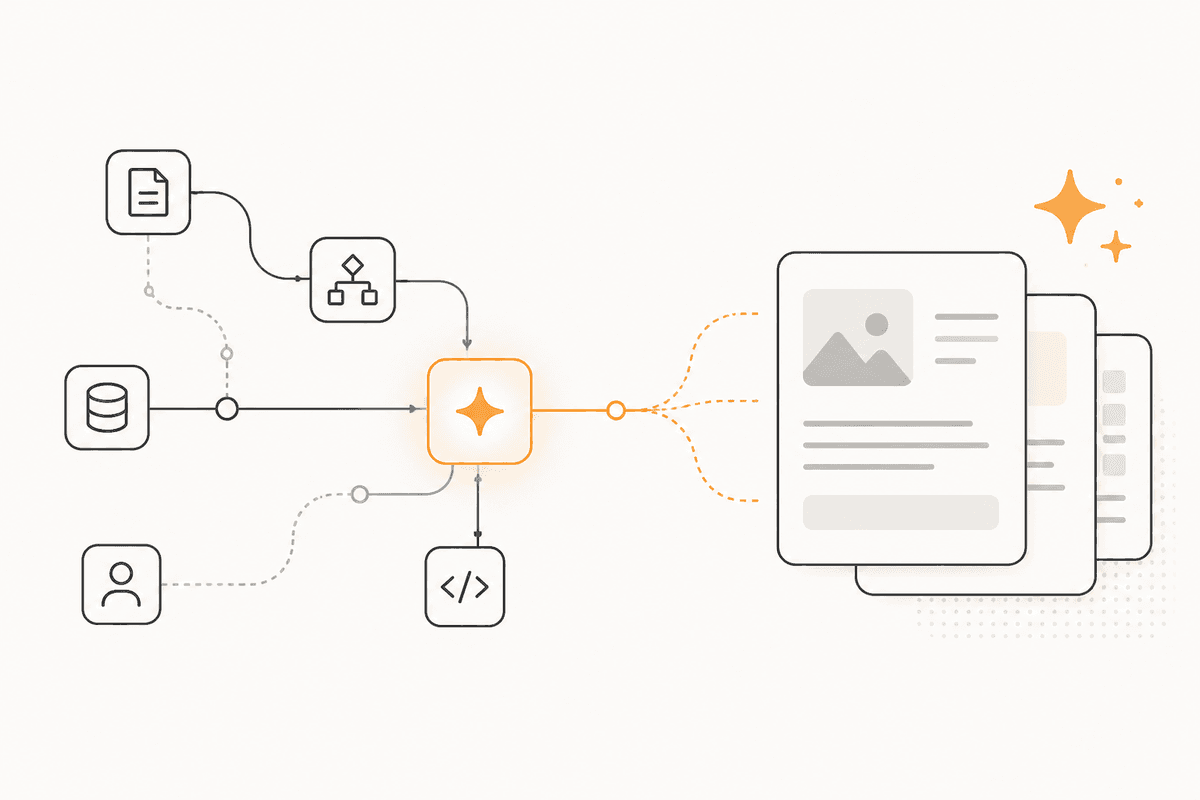
In practice it runs in two places. A writer talks to it directly in Studio before submitting a draft. An ActionFlow uses it through the Agent Chat node in the content approval process, so the same reviewer checks every piece before publication without anyone having to remember to send it.
The report is graded and sent to Slack, with low-severity entries collapsed. Because sessions last, the writer can justify a point by saying 'this was intentional,' and the agent keeps that justification for the rest of the conversation.
What this agent is built from
- Prompt skills: the brand guide itself, versioned, present in every conversation.
- System prompt: severity bands and the description of deliberate house-style departures.
- Service and model: chosen for instruction-following precision, not creativity.
- Agent Chat (Util): automatically puts the reviewer into a content approval flow.
- Slack (Communication): receives the graded report with minor items collapsed.
- Durable sessions: a writer can mark a call as intentional and the agent keeps that mark for the rest of the conversation.
- When an ActionFlow is enough: If you are checking banned terms and reading level, those are rules, not judgments. Run those as a workflow and keep the agent for tone.
Frequently asked questions
Start building AI workflows
Create a free account, open a template or a blank canvas, and run your first ActionFlow.
Get product updates
New nodes, agents, and product notes. We send mail only when we have something worth opening.