Drift runs in both directions, and only one of them needs a policy change
Written policies and everyday practice gradually come apart. When a process is altered, a tool is replaced, or a team discovers a faster method, the document that explains how things are done no longer reflects the current state.
The audit finds the mismatch, and that is the most unpleasant moment, because the issue is not which of the two is correct, but why they do not agree.
Either can be the error. In some cases, practice has gone wrong and needs correction. In other cases, the policy was drawn up for a world that no longer exists, and current practice is an improvement that has not been recorded.
To tell the two apart, you have to understand the reason for the policy. A step that looks like bureaucratic overhead might fulfill a commitment. Removing it only because it is slow is how a deviation turns into an exposure.
How the agent is built in Agent Studio
Prompt skills include the policies with their stated purpose, because you cannot treat a policy as outdated or essential without the reason it was established.
The system prompt states that each deviation must be reported with hypotheses for why it occurred, suggestions for how practice should change or how policy should change, and the evidence for each. It prohibits concluding which option is correct. It prohibits any remark about whether a deviation leads to legal or regulatory exposure.
That second limitation matters. Assessing exposure is counsel's proper judgment, so a compliance tool that provides that judgment would be the most hazardous kind of help.
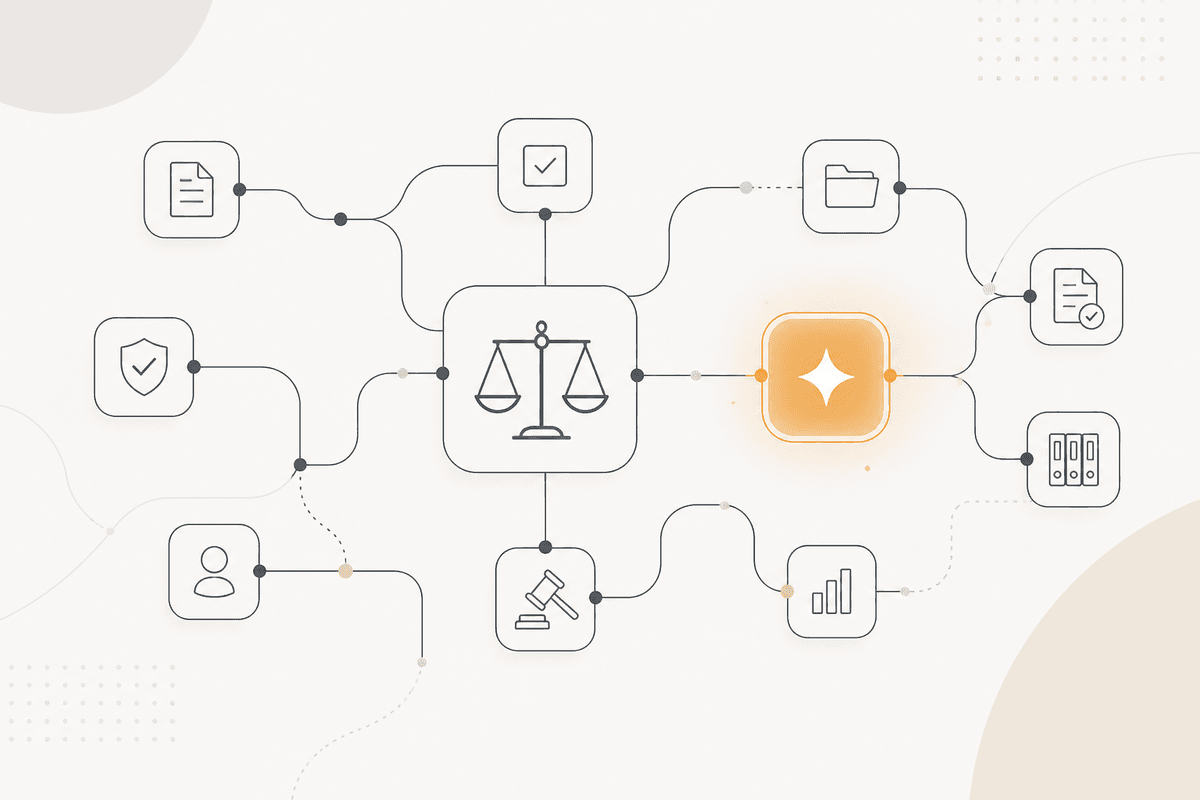
Evidence comes through a flow. The HTTP Request node reads the process logs and system records. The Jira or Linear node shows how the work actually moves. The Agent Chat node then compares.
Notion receives the policy text, the observed practice, and the two hypotheses together.
Slack notifies the policy owner. The agent does not correct anything or edit the policy. A policy that has been revised automatically has no author.
What this agent is built from
- Prompt skills: hold policies with their stated purpose, because purpose is what makes a step essential or obsolete.
- System prompt: reports both hypotheses with evidence. Concludes neither.
- System prompt: never states whether a deviation creates legal or regulatory exposure.
- Linear (Integration): supplies how work actually moves. HTTP Request covers system records.
- Agent Chat (Util): runs the policy-versus-practice comparison.
- Notion (Integration): receives policy text, observed practice, and both hypotheses.
- When an ActionFlow is enough: If you are checking that a required approval step was recorded, build the workflow. That catches the clearest deviations.
Frequently asked questions
Start building AI workflows
Create a free account, open a template or a blank canvas, and run your first ActionFlow.
Newsletter
Get product updates
New nodes, agents, and product notes. We send mail only when we have something worth opening.