Organization infrastructure
Organizations, credentials, and run history for agents and ActionFlows, so you can keep production work in one place.
Organizations, credentials, and run history for agents and ActionFlows, so you can keep production work in one place.
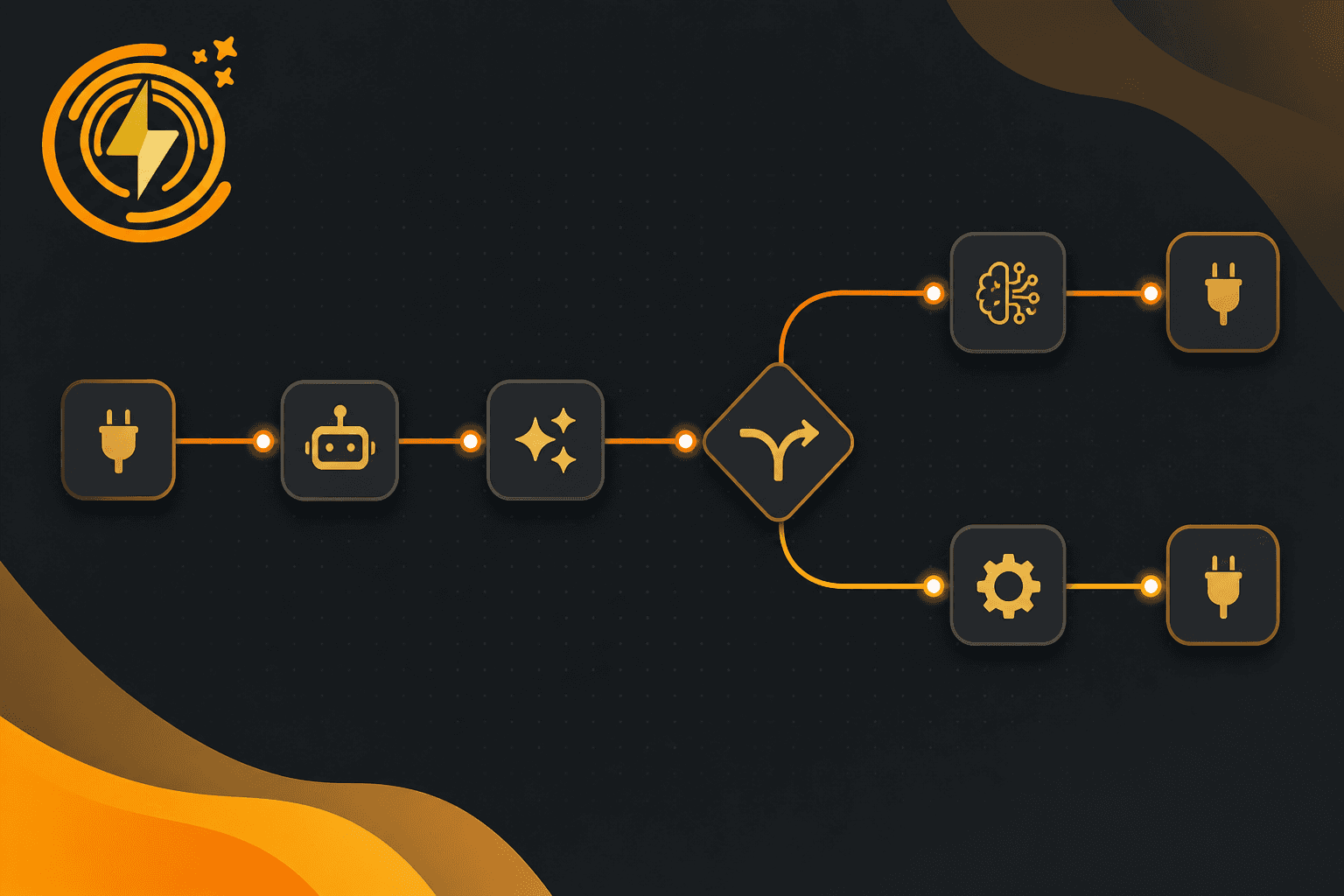
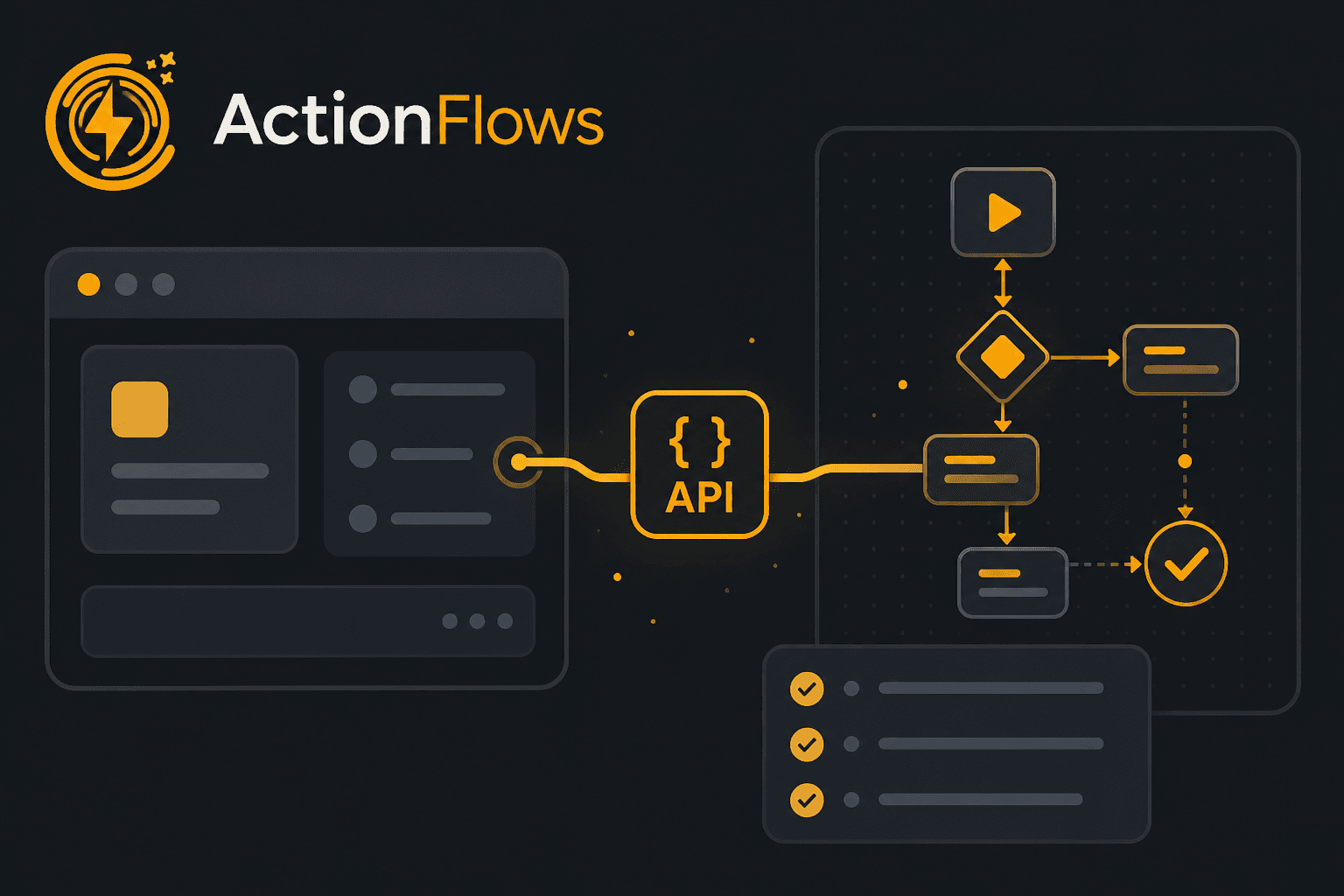
Draw an ActionFlow on a canvas. Configure an agent in Studio. You do not need extra connector code to start.
Start from the playground, a schedule, an inbound webhook, or your own app. Every run is stored in history.
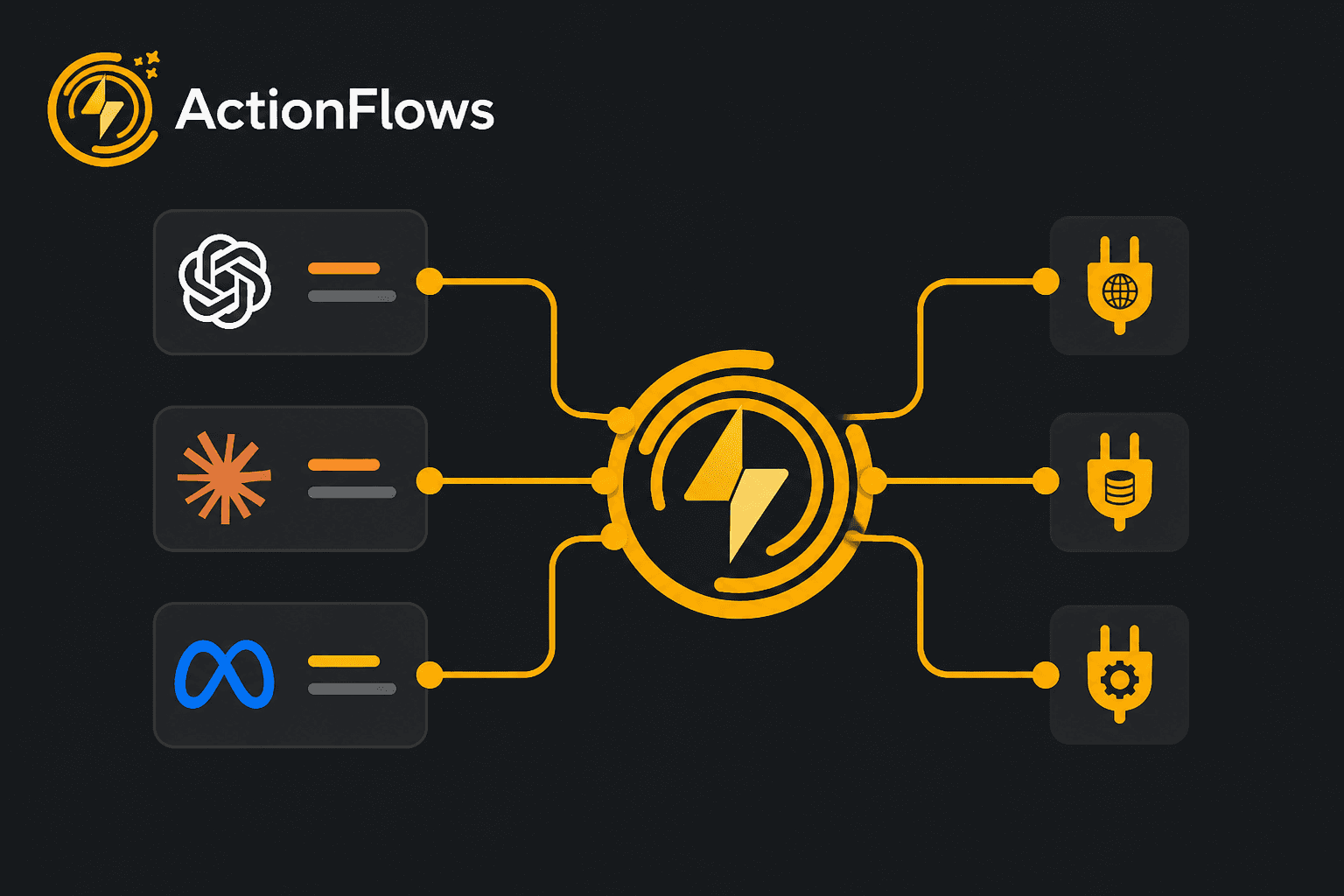
Organization API keys, personal data (PII) redaction, and moderation on agent output. Bring your own model keys when your plan allows it.
Connect Slack, GitHub, and other tools. Attach MCP servers so agents and ActionFlows can call them as tools.
Turn copy-paste work and follow-up into something you can run: an ActionFlow you can see, or an agent people can talk to.
A graph of models, apps, and logic. Preview as you go. ActionFlows checks the graph before a run spends credits.
Assistants that chat, call the tools you allow, and keep the thread. Meet them in the app, on your channels, or in your product.
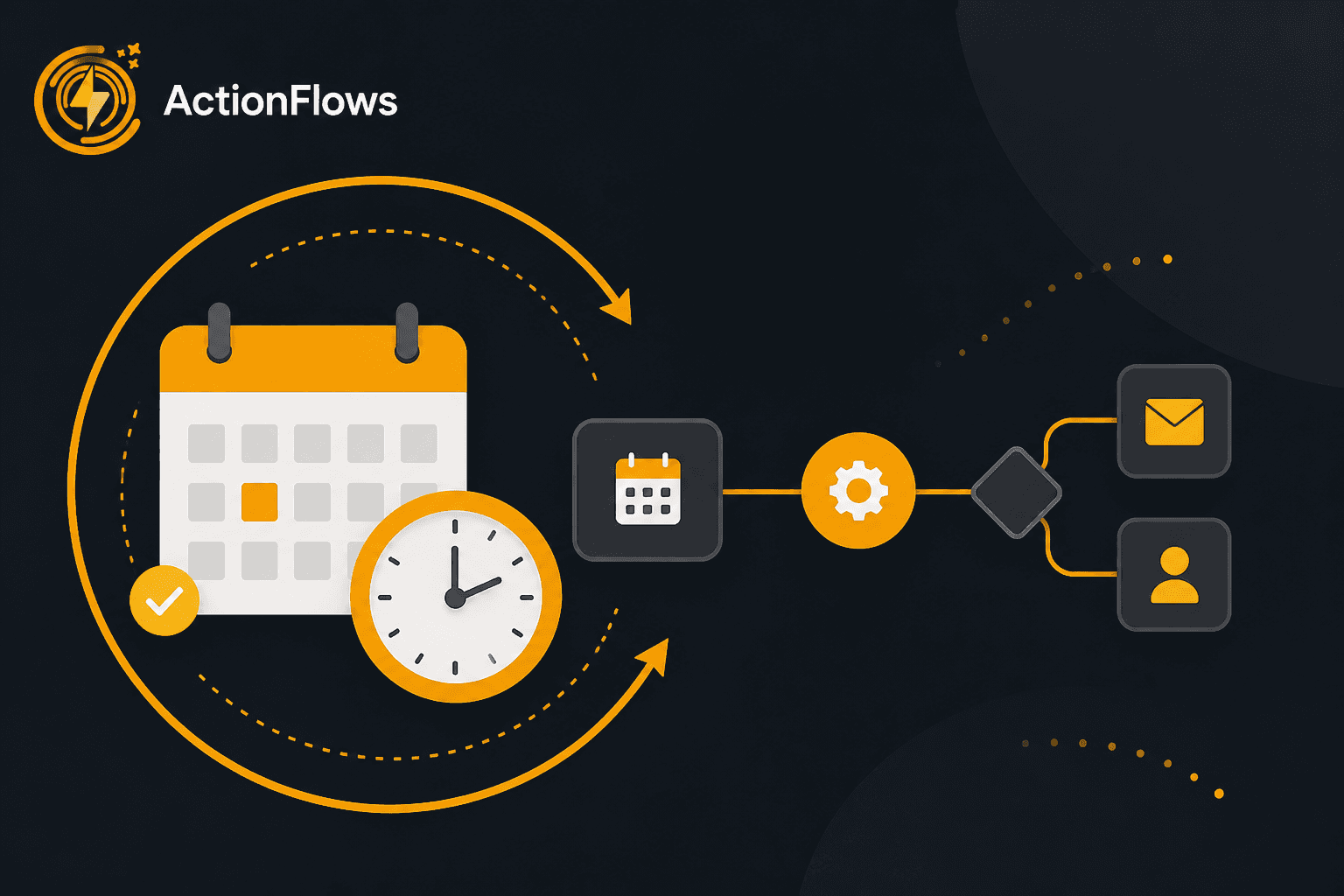
Start an ActionFlow on a clock: every N minutes, hours, or days, weekly, or once, in the timezone you pick.
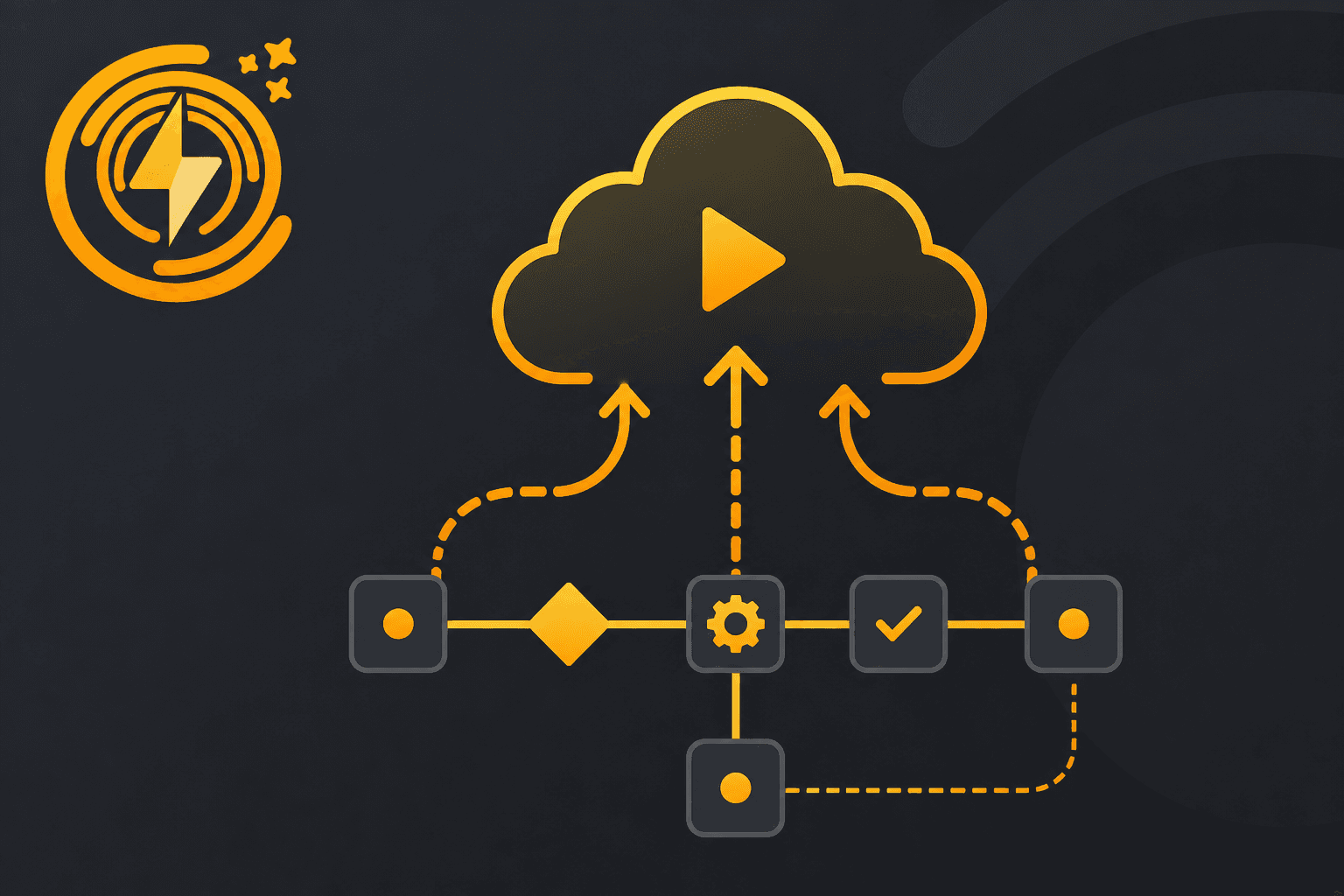
Start runs and agent sessions from your backend with REST, the TypeScript SDK, or the hosted MCP server.
Publish a public page for an ActionFlow or an agent. Send a link. Someone tries it, then clones it into their organization.
Configure once in Studio. Meet them in the app, on your channels, or inside your product.
Open Studio, set a prompt and tools, then chat with the agent or put it on Slack, Discord, Teams, or your site.
A few steps on the canvas. Then your team or your product can run it.
Create a free account, open a template or a blank canvas, and run your first ActionFlow.
Newsletter
New nodes, agents, and product notes. We send mail only when we have something worth opening.